- AccountsRecovery Daily Digest
- Posts
- Daily Digest - April 24, 2026
Daily Digest - April 24, 2026
Brought to you by: TCN | By Mike Gibb

Mike Gibb
April 24, 2026

🎂Happy Birthday to: Hilda Garza of MEI Auto Finance, Chris Canote of Hawthorn Recovery Services, the recently retired Robert Fite, most recently of TEC Services Group, and Stacy Burris of Capital Mitigation Services.
🎉Congratulations for starting new positions: Victoria Edwards as Senior Vice President of Revenue at ZIZO Technologies, Hailey Staats as Legal Network Performance Manager at LCS Financial Services Corporation, Wade Haddad as Manager, Inventory Accounting & Reconciliation at Crown Asset Management, Samuel Vélez as Director of Performance Intelligence at Centrical, and Danny Pabon as Recovery Agent Protection Committee (RAPC) at American Recovery Association.
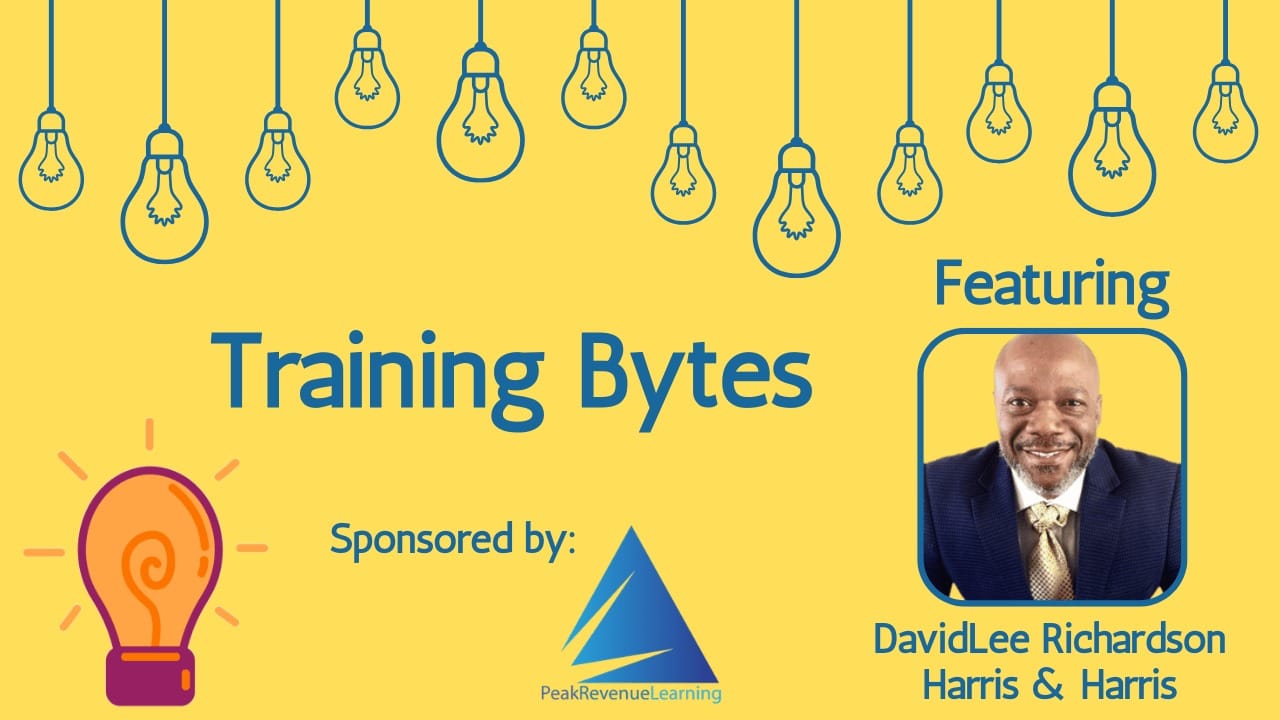
🚨New Training Bytes Video Released!
Check out the newest Training Bytes video! Each week, an expert from the accounts receivable management industry will share how he or she would handle different scenarios that collectors often face. This week, DavidLee Richardson from Harris & Harris shares how to respond to consumers who complain that a chatbot or email message did not answer their questions. Thanks to Peak Revenue Learning for sponsoring this series! Click on the image below to view this week’s episode!
Logo Madness!
It’s time to crown the best logo in the industry. Full bracket available here so you can track the competition. Click on the link underneath the logo to choose your winner. Voting is open for 24 hours.
 |  |
Which logo deserves to advance? |
Suit Accuses Collector of Misrepresenting Amount Owed in Judgment
As someone who prefers to communicate using the written word and has spent a lot of time doing that, I appreciate a well-written document, or at least attempts thereof. Complaints rarely fill that need, although the one in this case tries really hard to tell a story. A collection operation is facing claims it violated the Fair Debt Collection Practices Act and state law in Washington over issues related to a judgment that the plaintiffs “contemplated that they might never pay off” because of communication issues and alleged misrepresentations about the debt.
This series is sponsored by WebRecon

A MESSAGE FROM TCN

TODAY’S WEBINAR
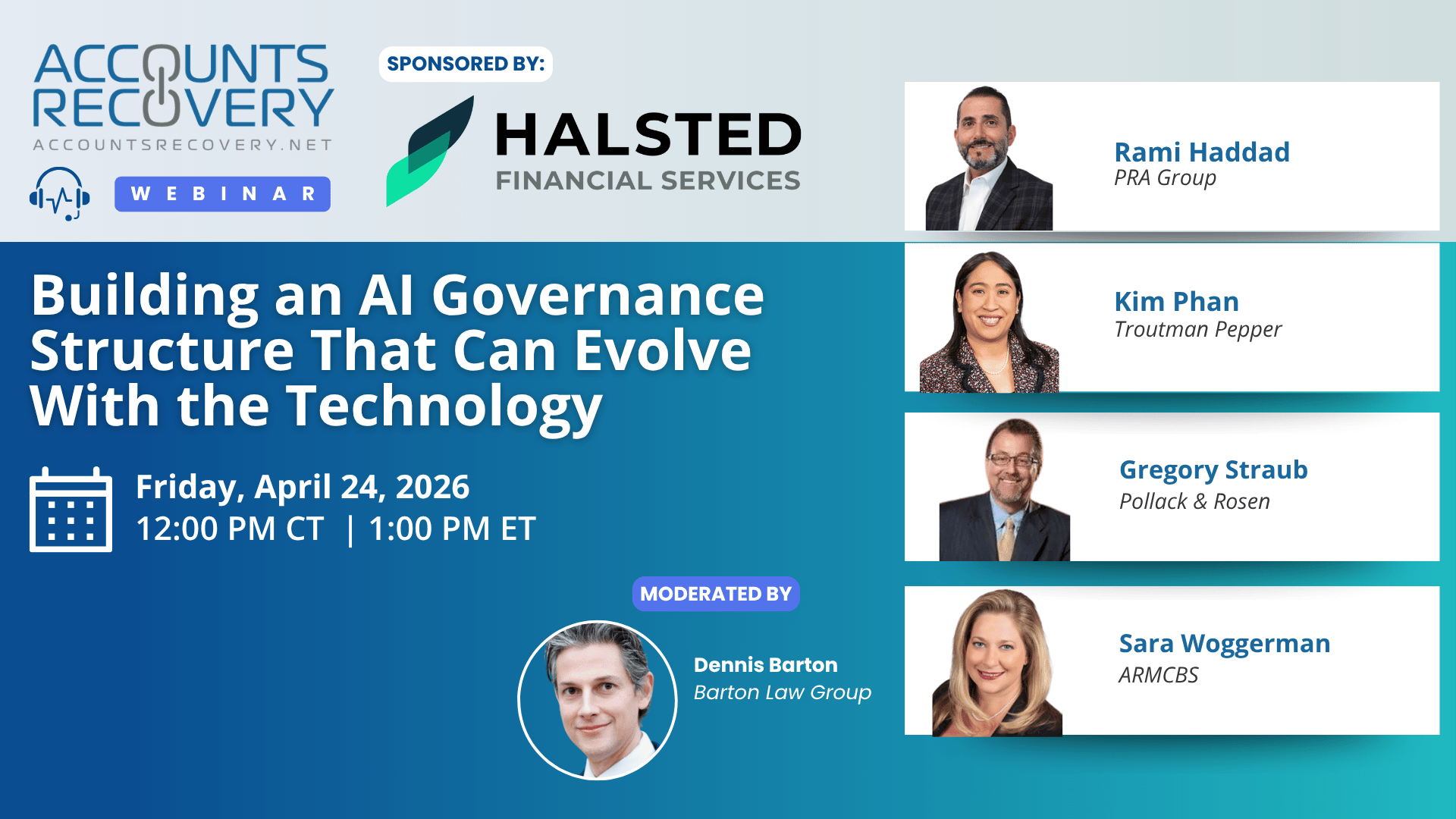
UPCOMING WEBINARS
 |  |
 |
Calif. Debt Collection Licensing Bill Gets Senate Hearing
A California Senate Committee is holding a hearing on Monday and will discuss a bill that would overhaul the state’s debt collection licensing framework, including changes to fees, reporting requirements, examinations, and regulatory oversight.
Oregon Judge Dismisses FCRA and FDCPA Case Over Pleading Failures
A District Court judge in Oregon has tossed out a self-represented consumer’s Fair Credit Reporting Act and Fair Debt Collection Practices Act lawsuit while also rejecting an attempt to send the case back to state court, finding both that the court had proper jurisdiction and that the complaint itself fell short on the facts needed to proceed.
More than 80% of primary care physicians say they are concerned about their long-term financial sustainability, and many are already changing how they operate to survive. A new survey from Elation Health highlights a growing disconnect between the cost of running a practice and what insurers are willing to pay, pushing providers toward alternative payment models and new technologies. For companies working with healthcare providers and collecting on medical debt, the message is clear: financial strain at the provider level is intensifying, and it is starting to reshape how revenue is generated, managed, and ultimately recovered.
Late-Stage Standing Challenge Sinks FDCPA Class Action
A New Jersey federal court just pulled the rug out from under a long-running Fair Debt Collection Practices Act class action, dismissing the case for lack of standing after years of litigation and even after the parties had reached a settlement and were battling over attorney’s fees.
WORTH NOTING: More teen boys are choosing AI girlfriends over human ones ... Households are reining in their spending and borrowing less, according to VantageScore ... Which generations are more and less willing to move these days ... What do people really keep in their storage units? ... A majority of Americans believe at least one false health claim, like the risk of childhood vaccinations outweighs the benefits ... More big layoff and buyout announcements in the tech sector ... Can debt relief trigger more aggressive collection attempts, an article wonders ... Why AI likes to flatter you.
Funny Friday, part I
Funny Friday, Part II
Webinar Recap: Let's Start a Collection Operation!

The recent webinar, hosted by Mike Gibb of AccountsRecovery.net and sponsored by CSS Impact, explored what it takes to launch a collection operation from scratch in today’s environment. Panelists Joey Nichols (CBC/ART), Garrett Angelo (JJ Marshall Associates), Clarice Barrelet (Council Collection Management), Michael Lamm (Corporate Advisory Solutions), and Brandy Rousselle (Capital Recovery Corporation) shared perspectives on technology, compliance, staffing, and client acquisition.
AI dominated the discussion, with panelists debating its role in collections, regulatory uncertainty, and even “bot vs. bot” negotiations. Clarice emphasized lean, remote, tech‑driven operations, while Brandy highlighted the importance of marketing and SEO in an AI‑driven world. Michael Lamm underscored the opportunity to wipe away legacy systems and design efficient workflows that could double or triple industry margins.
Panelists agreed that differentiation goes beyond technology. Brandy suggested agencies expand into value‑added services, helping clients identify revenue leakage and improve billing processes. Garrett stressed the need to carve out niches and unique expertise, while Clarice shared her real‑world experience of starting fresh in California, focusing on high‑balance accounts and modern tech stacks.
Staffing priorities included compliance, data analytics, and client success management. As Clarice noted, “If you’re not compliant, you’re shut down.” Panelists also discussed leveraging networks to land first clients, with Garrett advising agencies to go “an inch wide and a mile deep” in their chosen niche.
🧠 Key Takeaways:
Invest in modern, cloud‑based platforms: Avoid legacy systems, prioritize API integration, and ensure flexibility for remote work.
Balance compliance and innovation: Make compliance a core function while adopting AI and automation responsibly.
Differentiate through value‑added services and niches: Expand beyond collections into client solutions, and specialize to stand out in competitive markets.
This session reinforced that building a lean, resilient collection operation today requires a blend of modern technology, compliance rigor, and strategic differentiation. Agencies that adapt quickly will be best positioned to thrive.
Webinar Recap: Breaking Down the CFPB's Rule on Disparate Impact

The recent webinar, hosted by Mike Gibb, explored the CFPB’s amended rule that eliminates disparate impact as a basis for discrimination claims under ECOA and UDAP. Panelists Joanne Needleman (Clark Hill) and Manny Newburger (Barron & Newburger) unpacked the implications for lenders, collectors, and compliance professionals.
Needleman explained that disparate impact previously held companies liable when neutral policies produced discriminatory outcomes. Its removal offers short‑term relief, particularly for collection agencies ill‑equipped to conduct complex analyses. However, she cautioned that the new discouragement provision—which prohibits conduct or statements that could deter prospective applicants—significantly expands liability. As she noted, “You can have conduct that you maybe never even thought about, that ultimately would discourage people from getting credit.”
Newburger added that the “death of disparate impact is greatly exaggerated,” since courts and states may still apply it independently. He warned that discovery in discrimination cases will likely intensify, with regulators demanding extensive documentation to prove intent or “should have known” standards. Both panelists agreed that while AI‑driven underwriting may see temporary relief, state laws and future administrations could revive disparate impact enforcement.
🧠 Key Takeaways:
Audit marketing and communications: Review advertising, settlement offers, and language preference inquiries to ensure they do not discourage prospective applicants.
Prepare for expanded discovery: Anticipate regulators and state AGs requesting broader documentation and employee testimony in discrimination investigations.
Monitor state and court developments: Stay alert to jurisdictions like California, Massachusetts, and New Jersey that continue to recognize disparate impact, and prepare for potential shifts in federal interpretation.
This session underscored that while the CFPB’s rule change reduces immediate compliance burdens, the discouragement provision introduces broad, long‑term risks that demand proactive oversight across lending and collections.
Did you know you can get full access to all of my past webinars, along with transcripts and summaries of each, for only $29/month? Sign up to be a premium subscriber today!
The Daily Digest is sponsored by TCN